
Skip to content
Tier · Under $1,000

The first-real-watch tier.

Where most enthusiasts find their first-keeper watch. Seiko Prospex SPB143, Tissot PRX, Hamilton Khaki Field, Mido Multifort.

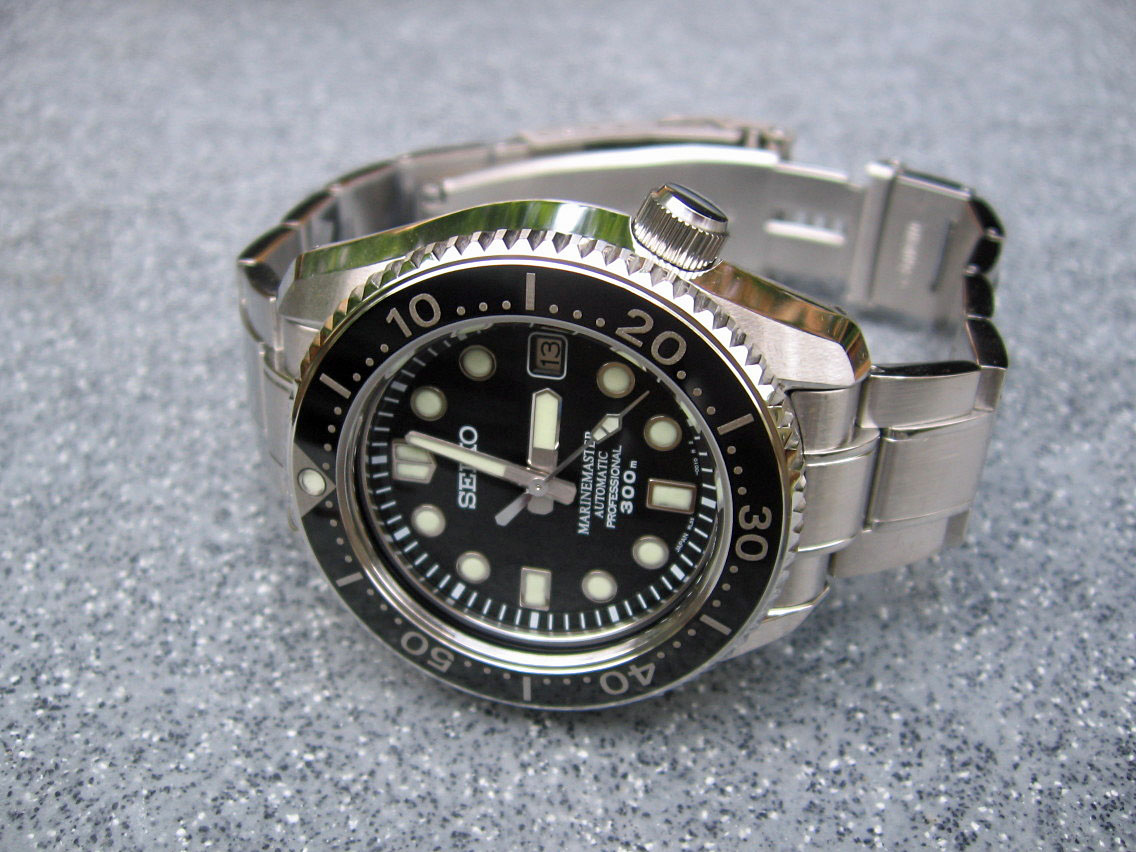
Mid-tier mechanical watchesPhoto by Francis Flinch via Wikimedia Commons, CC BY-SA 3.0 (source)

What's the best watch under $1,000?

The Seiko Prospex SPB143 ($1,200, often discounted to $1,000) is the most-recommended dive watch under $1,500. The Tissot PRX Powermatic 80 ($725) is the best integrated-bracelet sport-luxury value in horology. The Hamilton Khaki Field Automatic ($845) gives you American-heritage Swiss-made automatic with 80-hour power reserve in field-watch proportions. All three are widely considered the "first-keeper" watch tier — pieces enthusiasts buy and own for years before upgrading.

The recommendations

Seiko Prospex SPB143 ($1,200)

The 62MAS-inspired modern Seiko diver. 40.5mm case, 200m water resistance, 6R35 automatic movement (70-hour power reserve), sapphire crystal. The most-recommended dive watch in the $1,000-$1,500 range. SPB143 (silver dial, sunburst pattern) and SPB147 (black dial) are the two main variants. Often discounted to $1,000 from authorized retailers. Considered a category-defining value.

Tissot PRX Powermatic 80 ($725)

Integrated-bracelet sport-luxury at a fraction of Royal Oak/Nautilus pricing. 40mm steel case, integrated bracelet, Powermatic 80 automatic movement, 100m water resistance. Available in multiple dial colors (blue, green, black, white). Released 2021 as a revival of a 1978 Tissot design. Widely considered the best value in horology under $1,000.

Hamilton Khaki Field Automatic ($845)

American-heritage field watch. 38mm or 42mm case, 100m water resistance, H-10 movement (80-hour power reserve, modified ETA 2824), military aesthetic. Hamilton is part of the Swatch Group; the H-10 movement is one of the best volume-production Swiss automatic movements at the price point. The Khaki Field is the canonical "field watch" in modern horology.

Mido Multifort Patrimony ($890)

Dressier Swiss automatic. 40mm case, 50m water resistance, Caliber 80 movement (80-hour power reserve, modified ETA 2824). Mido is part of the Swatch Group. The Multifort is a vintage-inspired dress sport line — railroad chapter ring, Roman numerals, sub-seconds at 6 — and offers strong value in the under-$1,000 dress segment.

Citizen Series 8 Automatic ($795)

Japanese alternative to the Tissot PRX. 40.8mm case, 100m water resistance, Caliber 9051 automatic movement (50-hour power reserve, hackable). Released 2022 as Citizen\'s mid-tier mechanical line. The Series 8 is a less-recognized but strong-value Japanese alternative to the Swiss-made dress-sport Watches in the same price tier.

Read next

Frequently Asked

On under-$1,000 watches

What is the best watch under $1,000?

The Seiko Prospex SPB143 ($1,200 at retail; often available for $1,000 with discounts) is widely considered the best dive watch under $1,500. Other top picks: Tissot PRX Powermatic 80 ($725) for an integrated-bracelet sport-luxury aesthetic at low cost, Hamilton Khaki Field Automatic ($845) for a vintage-military field-watch look with a 80-hour-power-reserve H-10 movement, and Mido Multifort Patrimony ($890) for a dressier value Swiss automatic.

Is the Tissot PRX a good value?

Yes — the Tissot PRX Powermatic 80 ($725) is one of the best-value integrated-bracelet sport watches in horology. Released 2021, the PRX revives a 1978 Tissot design with a modernized 40mm case, integrated bracelet, and Powermatic 80 automatic movement (80-hour power reserve). The aesthetic recalls the Royal Oak and Nautilus integrated-bracelet sport-luxury wave at a price point well below those models. The PRX is widely recommended as a "Royal Oak alternative" for buyers who can't justify or obtain the AP.

Should I buy a Swiss-made or Japanese-made watch at this tier?

Both work. Japanese watches (Seiko, Citizen) under $1,000 typically offer better movement specifications (longer power reserves, more hackability) at lower prices. Swiss-made watches (Tissot, Hamilton, Mido) offer the Swiss-made designation and slightly better case finishing. The Japanese maker Seiko Prospex SPB143 ($1,200) competes directly with the Swiss Hamilton Khaki Field ($845) and Tissot PRX ($725). All three are defensible. Most enthusiasts pick Seiko at this tier for movement quality; Swiss-made for resale value or aesthetic preference.

When does it make sense to upgrade beyond $1,000?

When you want in-house movements without ETA architecture. Above $1,000-$1,500, you start finding watches with proprietary in-house movements (Tudor Black Bay 58, Omega Seamaster Aqua Terra, Cartier Tank Solo). Below $1,000, you're typically buying ETA-derived movements (modified by Tissot, Hamilton, Mido) or Japanese 4R-series movements (Seiko). The next price tier ($3,000-$5,000) brings full in-house Manufacture Calibers from Tudor, Omega, IWC, Tag Heuer, and Cartier.

What is The Essential Watch Guide?

The Essential Watch Guide is an editorial publication covering luxury watchmaking — Swiss heritage houses, dive watches, vintage timepieces, and the makers worth knowing. Coverage includes Rolex, Patek Philippe, Audemars Piguet, Vacheron Constantin, Omega, Tudor, and dozens more. Editorial focus: history, signature collections, what to look for when buying, and how value holds.

Which Swiss watch brands are the most prestigious?

The "Holy Trinity" of Swiss watchmaking is Patek Philippe (founded 1839), Audemars Piguet (1875), and Vacheron Constantin (1755) — the three houses widely considered the apex of haute horlogerie. Rolex is the most recognized worldwide; Jaeger-LeCoultre supplies movements to many top brands; Blancpain is the oldest continuously operating watchmaker (founded 1735). Independent makers like F.P. Journe and Richard Mille operate at the same tier with smaller production runs.

What makes a watch "Swiss made"?

Swiss law requires that a watch labeled "Swiss made" must have its movement assembled in Switzerland, its movement cased in Switzerland, undergone final inspection by the manufacturer in Switzerland, and have at least 60% of its production cost incurred in Switzerland. The standard is enforced by the Federal Council and the Federation of the Swiss Watch Industry FH.