Watches worth knowing.
Editorial guides to the Swiss heritage houses, dive watches, and vintage references that actually matter — written by editors who care about reference numbers, finishing, and the honest answer to which one should I buy?
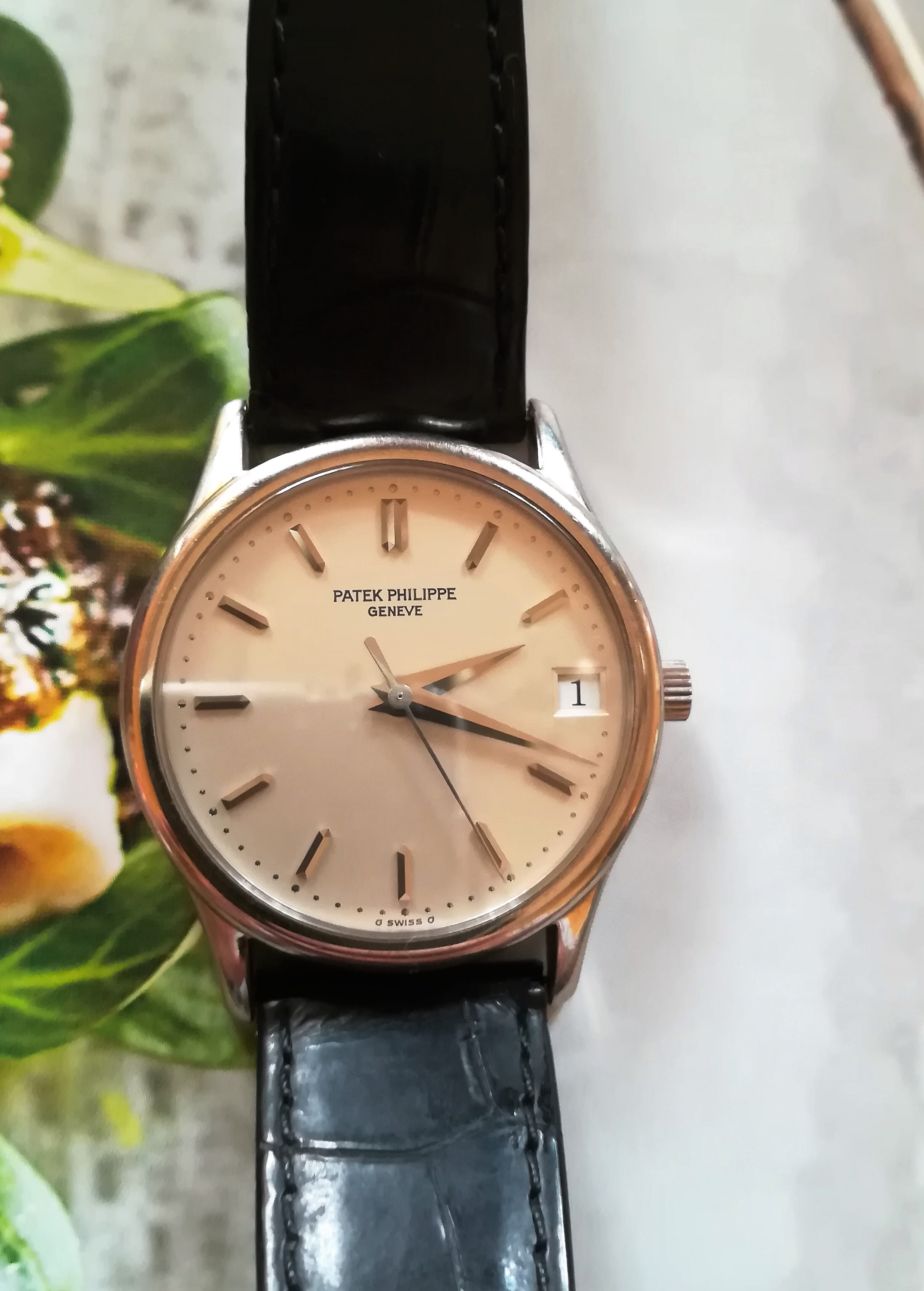
Clyde94, CC BY-SA 4.0, ↗
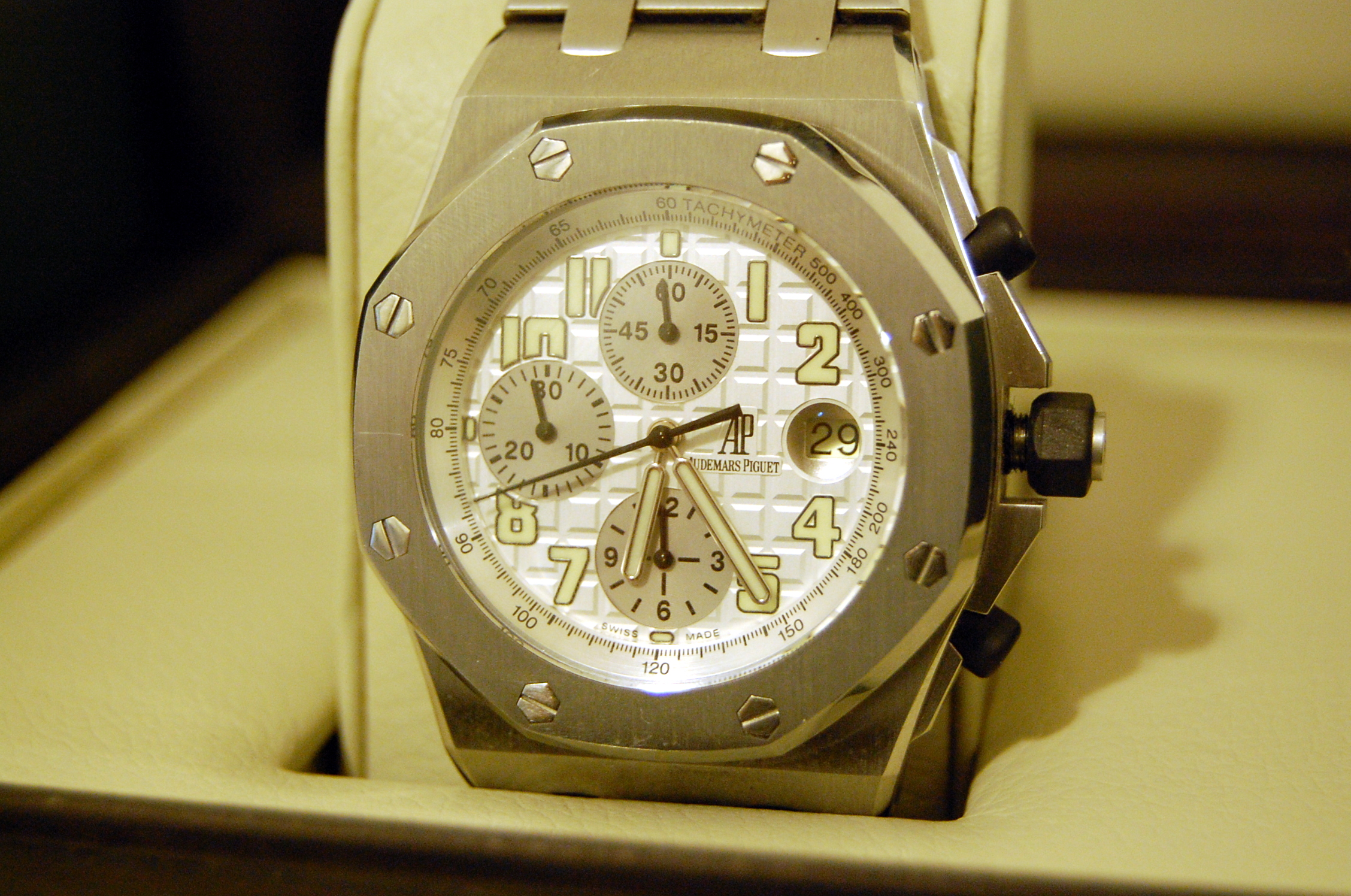
CC BY 3.0, ↗
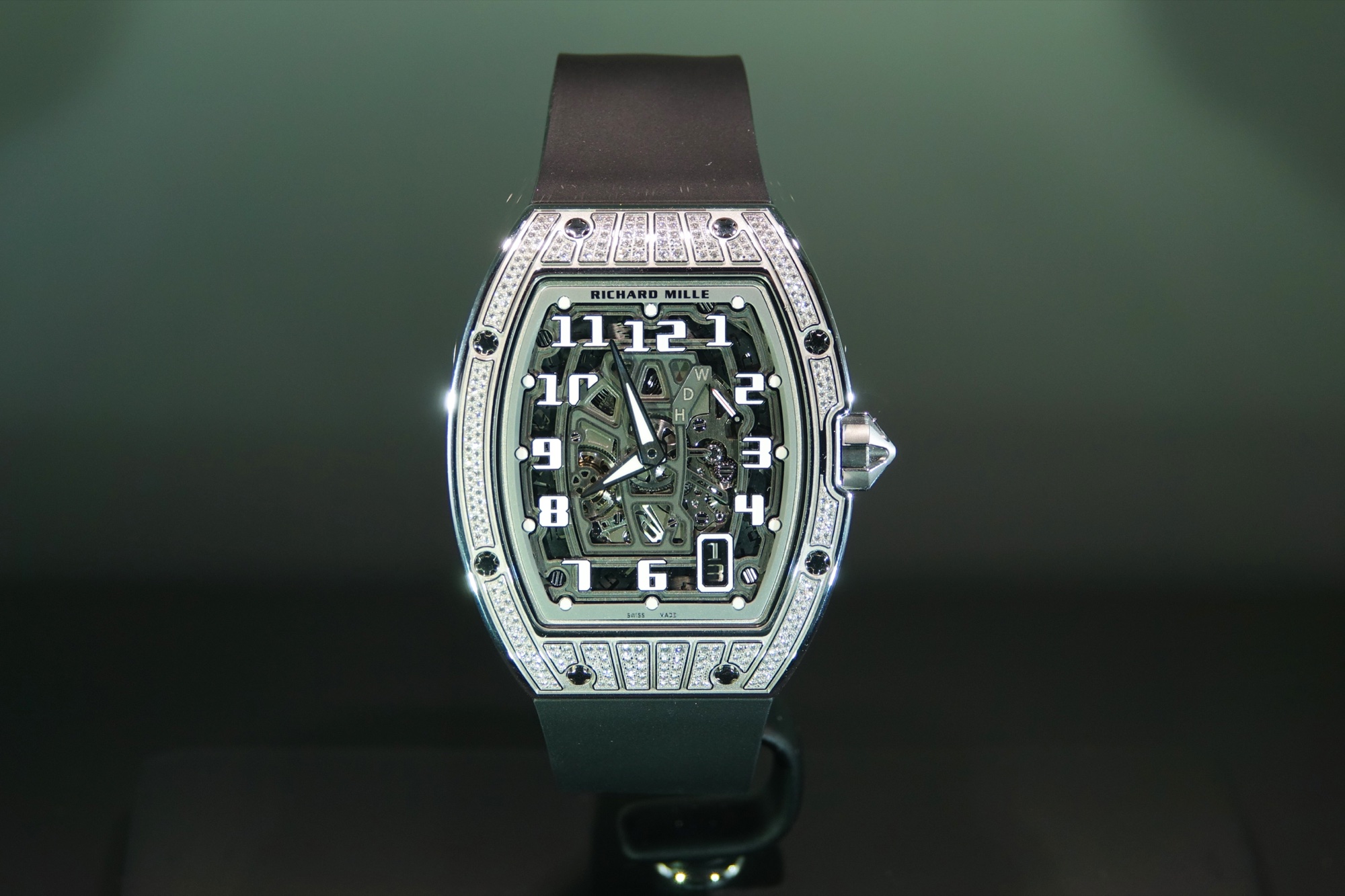
via Wikimedia Commons, CC BY-SA 4.0 ↗
Recently published.
Rolex — A Crown for Every Achievement
The most-recognized watch brand in the world. Submariner, Daytona, GMT-Master, Datejust.
Patek Philippe — Heirlooms in the Making
The auction-record house. Seven of ten most expensive watches ever sold.
Audemars Piguet — The Royal Oak Legacy
Le Brassus 1875. The 1972 Royal Oak by Gérald Genta defined modern luxury sport watches.
Vacheron Constantin — The Oldest Continuously Operating Manufacturer
Geneva 1755. Reference 57260 holds the complications record at 57.
Jaeger-LeCoultre — Movements for the Trinity
Le Sentier 1833. Movement supplier to Patek, AP, Vacheron. 1,000+ distinct calibres in the archive.
Omega — From the Moon to the Marianas
Speedmaster Moonwatch, Seamaster Bond, Master Chronometer movements.
An editorial publication on luxury watchmaking.
The Essential Watch Guide covers the watches worth caring about — Patek Philippe, Audemars Piguet, Vacheron Constantin, Rolex, Omega, Tudor, and the dozens of makers behind the references that define modern horology. Every guide is written by The Essential Watch Guide Editors with the goal of one good answer per question.
No affiliate relationships. No press junkets. No breathless adjectives. We write about what we would buy, what we would not, and why — with reference numbers, dial variants, and movement detail where it actually changes the answer.
Five hubs. Every watch worth knowing.
A Guide to the Best Swiss Watches& Brands
Eleven heritage houses profiled in depth — FP Journe, Richard Mille, Patek Philippe, Audemars Piguet, Vacheron Constantin, Lange & Söhne, Jaeger-LeCoultre, Rolex, Breguet, Blancpain, and Roger Dubuis. The twenty-two most expensive auction watches. Honest picks for men, women, designers, and first-time buyers.
Watches worth knowing, delivered occasionally.
Editorial dispatches when we publish a new guide — Swiss heritage, dive history, vintage authentication, and the makers behind them. No daily emails. No promotional clutter.
Questions worth asking
Which Swiss watch brand is best?
There is no single "best." For investment-grade prestige, Patek Philippe leads — its watches dominate auction records, with seven of the ten most expensive watches ever sold. For recognition and value retention, Rolex is unmatched. For technical innovation in a smaller production run, Audemars Piguet and Vacheron Constantin sit at the apex of haute horlogerie. The right answer depends on what you value: legacy, design, finishing, or movement complexity.
What is the "Holy Trinity" of watchmaking?
The Holy Trinity refers to Patek Philippe (founded 1839), Audemars Piguet (1875), and Vacheron Constantin (1755) — three Swiss houses widely considered the apex of haute horlogerie. They produce limited quantities of mechanically complex, hand-finished timepieces and have remained at the top of the industry for over a century.
How much should I spend on my first luxury watch?
A first luxury watch can be had between $2,000 and $8,000. At that range you can buy entry-level pieces from established Swiss makers — Tudor Black Bay, Omega Aqua Terra, IWC Pilot, Tag Heuer Carrera. These wear well, hold value, and signal taste without overcommitting. Above $10,000 you enter Rolex sport-watch and JLC Reverso territory; above $25,000, the bottom edge of Patek and AP.
Are luxury watches a good investment?
Some are. Specific Rolex sport models (Daytona, Submariner, GMT-Master), Patek Philippe Nautilus and Aquanaut, and Audemars Piguet Royal Oak have appreciated meaningfully over the past decade — sometimes 2–4× retail. Most luxury watches, however, depreciate 20–40% the moment they leave the boutique. Buy because you want to wear it; treat appreciation as a bonus, not the thesis.
What does "Swiss made" actually mean?
Swiss law requires "Swiss made" watches to have their movement assembled, cased, and final-inspected in Switzerland, with at least 60% of production cost incurred there. The standard is enforced by the Federation of the Swiss Watch Industry (FH) and the Federal Council. It is a legal designation — not a marketing term.