
Swiss watchmaking is structured by clusters: Geneva and Vallée de Joux for haute horlogerie, Schaffhausen for IWC, Le Locle and La Chaux-de-Fonds for the chronograph tradition (Zenith, Tag Heuer), Biel/Bienne for Omega and Rolex's movement factories. The major houses each own a piece of the technical record — the tourbillon (Breguet, 1801), the first automatic wristwatch (Blancpain), the integrated automatic chronograph (Zenith El Primero, 1969), the perpetual calendar wristwatch (Patek), the steel sport watch (Audemars Piguet Royal Oak, 1972). What follows is the editorial map of who's who.
The hub
Swiss Watches — The makers, in detail.
Fifteen profiles of the major Swiss houses. Founded dates, signature watches, what they invented, and what holds value. Start anywhere.
 EMore98, CC BY-SA 4.0, via Wikimedia Commons (source)
What is a Swiss watch?
A "Swiss made" watch must have its movement assembled and cased in Switzerland, undergo final inspection there, and have at least 60% of production cost incurred in Switzerland. The standard is enforced by the Federation of the Swiss Watch Industry (FH). It is a legal designation. Below, we cover the fifteen Swiss makers worth knowing — grouped by tier, profiled in editorial depth.
Apex
The Holy Trinity
Patek, AP, Vacheron — the apex of haute horlogerie.
Founded 1839 · Geneva
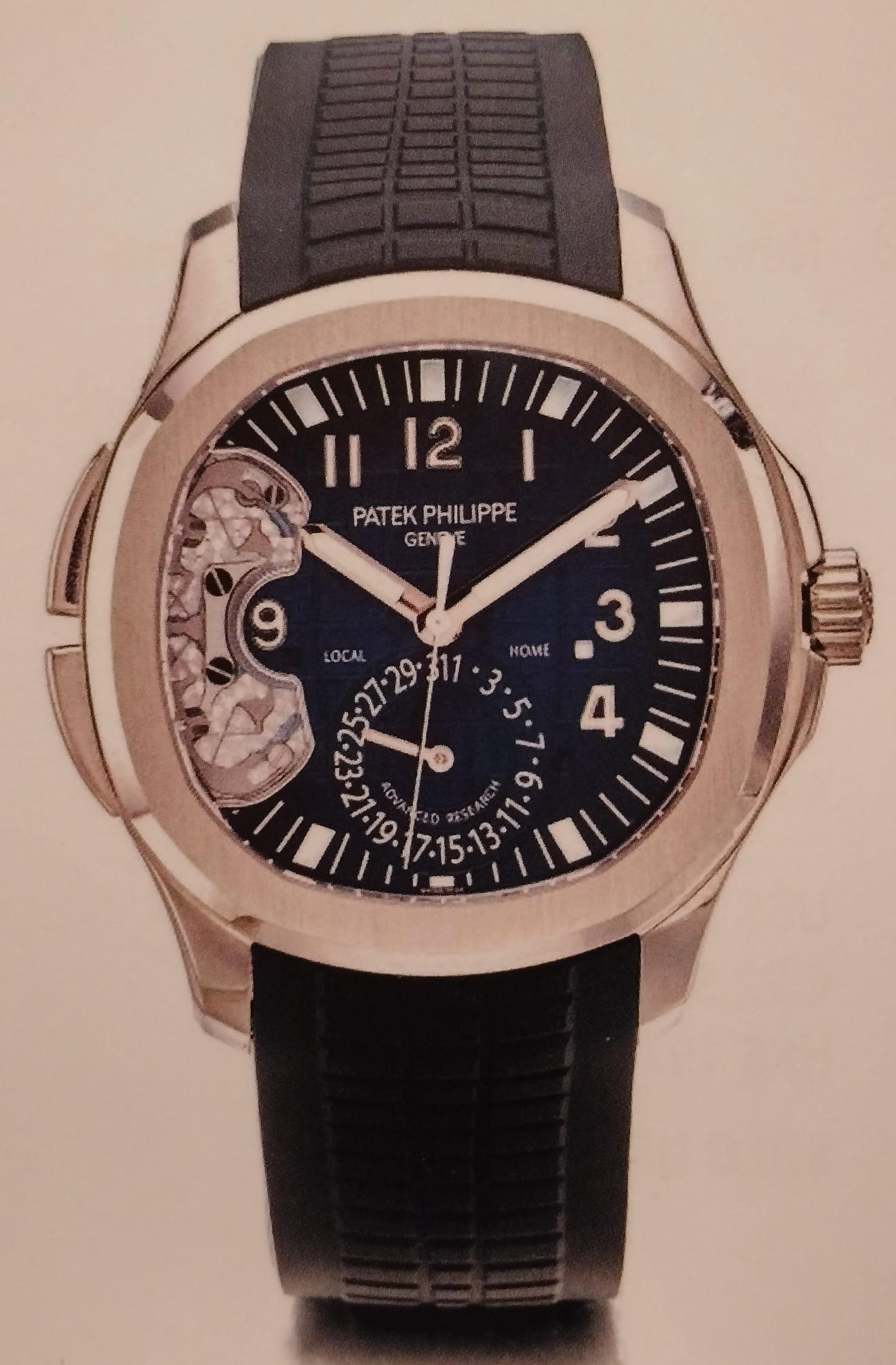
Patek Philippe
The auction-record house — seven of the ten most expensive watches ever sold.
Founded 1875 · Le BrassusAudemars Piguet
The Royal Oak (1972) broke every rule of Swiss watchmaking and became its signature.
Founded 1755 · GenevaVacheron Constantin
The oldest continuously operating manufacturer. Reference 57260 holds the complications record.
Top tier
The top tier
Rolex, JLC, Blancpain — heritage, recognition, scale.
Founded 1905 · Geneva
Rolex
The most recognized watch brand in the world. 2,500+ pieces produced daily.
Founded 1833 · Le SentierJaeger-LeCoultre
Movement supplier to the Holy Trinity. 1,000+ distinct calibers in their archive.
Founded 2001 · Les BreuleuxRichard Mille
The contemporary independent. Tonneau cases, openworked movements, prices benchmarked to supercars.
Founded 1735 · Le BrassusBlancpain
The oldest continuously operating watchmaker. Never made a quartz, never will.
Major
The major houses
Omega, IWC, Breitling, Cartier, Panerai, Tudor.
Founded 1848 · Biel/Bienne
Omega
The Speedmaster went to the moon. The Seamaster runs Bond. Co-Axial movements.
Founded 1868 · SchaffhausenIWC
The pilot-watch standard. Built for tool function, finished to dress-watch standards.
Founded 1884 · GrenchenBreitling
The chronograph specialist — Navitimer, Chronomat, Premier. Aviation timing pedigree.
Founded 1847 · Paris / Swiss-madeCartier
The Tank (1917) and the Santos (1904). Jewelry house with serious horology underneath.
Founded 1860 · Florence / Swiss-madePanerai
Italian by heritage, Swiss by manufacture. Cushion case, Luminor crown guard, wrist presence.
Founded 1926 · GenevaTudor
Rolex's sister house. Black Bay 58 redefined what a $4,000 dive watch should feel like.
Core
The core makers
Zenith, Tag Heuer, Chopard — quiet weight.
Founded 1865 · Le Locle
Zenith
The El Primero (1969) was the first integrated automatic chronograph. Still in production.
Founded 1860 · La Chaux-de-FondsTag Heuer
Motorsport timing heritage — Carrera, Monaco, Autavia. Steve McQueen wore it.
Founded 1860 · Geneva / FleurierChopard
L.U.C. Chopard movements are quietly some of the best-finished work in Switzerland.
Frequently Asked
On Swiss watchmaking
What is the "Holy Trinity" of Swiss watchmaking?
The "Holy Trinity" refers to Patek Philippe (founded 1839), Audemars Piguet (1875), and Vacheron Constantin (1755) — three Swiss houses widely considered the apex of haute horlogerie. They produce limited quantities of mechanically complex, hand-finished timepieces and have remained at the top of the industry for over a century. The label is industry shorthand, not an official designation.
Which Swiss watch is the best entry into luxury watchmaking?
Tudor Black Bay 58 ($3,800-$4,200) is the most-recommended entry point — full Swiss-made, in-house movement, dive-watch heritage from a Rolex sister house. Other strong entries: Tudor Black Bay 36 (dressier), Omega Aqua Terra (everyday luxury), IWC Pilot Mark XX (tool watch), and Tag Heuer Carrera (chronograph). All sit between $3,500-$8,000 — the range where Swiss-made mechanical quality meets first-luxury ownership.
Are Swiss watches still made in Switzerland?
Watches labeled "Swiss made" must have their movement assembled and cased in Switzerland, undergo final inspection there, and have at least 60% of production cost incurred in Switzerland. The major houses — Patek, Rolex, AP, Vacheron, JLC, Omega, IWC, Breitling, Blancpain — all manufacture in Switzerland. Some components (cases, dials) may be sourced from specialist Swiss subcontractors, but the assembly and finishing happens in-country.
How many watches do the major Swiss makers produce?
Annual production figures (approximate): Rolex 1,000,000+; Omega 600,000-700,000; Tudor 200,000+; Tag Heuer 150,000; Breitling 150,000; Patek Philippe 70,000; Audemars Piguet 40,000; Vacheron Constantin 20,000; Blancpain 30 per day (~10,000/year); F.P. Journe 800-900 per year; A. Lange & Söhne 5,000. The lower the number, the harder the watch is to actually buy at retail.
What separates a $5,000 Swiss watch from a $50,000 one?
In-house movement development, hand-finishing standards (Geneva Seal, Patek Seal), case materials (steel vs. precious metals), and production scale. A $5,000 piece typically uses a modified ETA or Sellita movement and modern CNC finishing. A $50,000 piece runs a manufacture caliber with hand-applied Côtes de Genève, beveled bridges, polished screw heads, and components that took skilled artisans hours to finish. Brand premium also compounds — at the Trinity level, you pay for 150-200 years of continuous reputation.