
Skip to content
Tier · Under $500

Where mechanical watchmaking starts.

Under $500 is where serious mechanical watches begin. Seiko 5, Citizen Promaster, Tissot Gentleman, Orient Mako II.

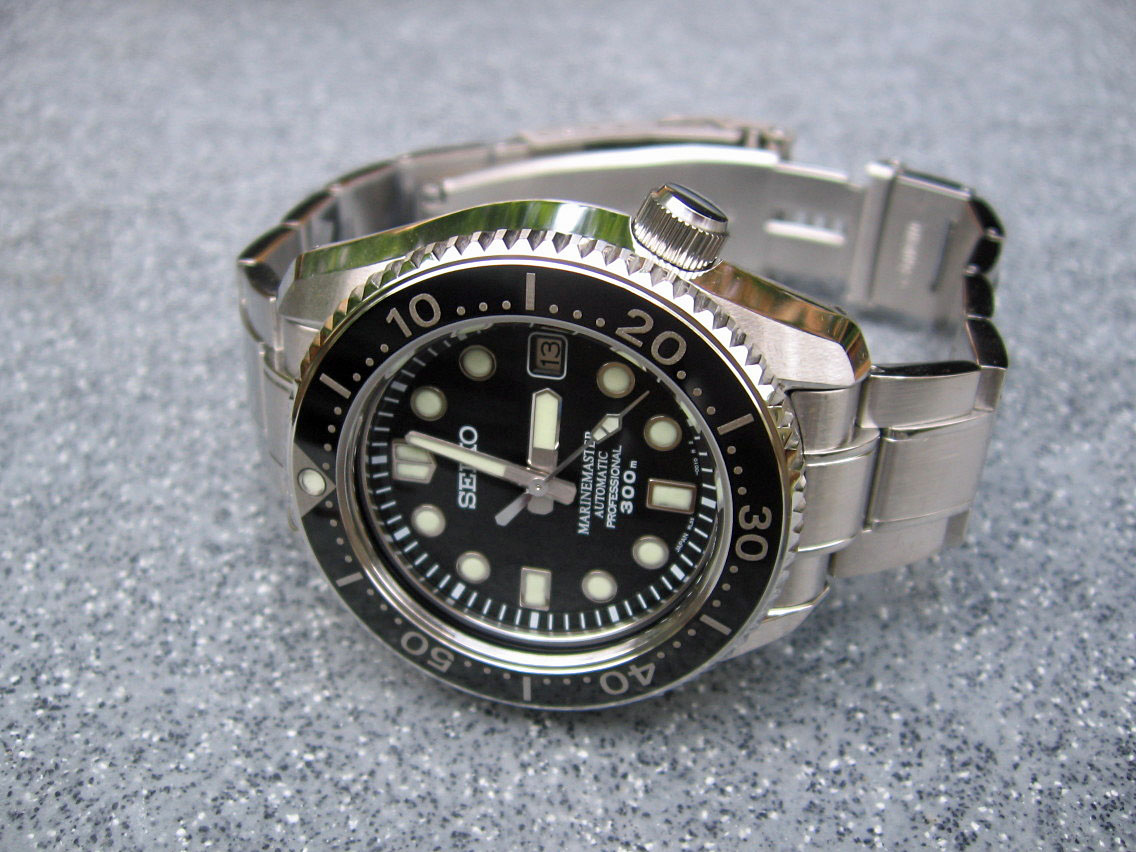
Entry-level mechanical watchesPhoto by Francis Flinch via Wikimedia Commons, CC BY-SA 3.0 (source)

What's the best mechanical watch under $500?

The Seiko 5 SRPD55 ($300) and Tissot Gentleman Powermatic 80 ($475) are the most-recommended mechanical watches under $500. The Seiko offers 100m water resistance, 41mm case, automatic Caliber 4R36, and a day-date complication. The Tissot offers Swiss-made manufacture, 80-hour power reserve automatic movement, and dressier proportions for formal wear. For dive-watch utility, the Citizen NY0040 Promaster Diver ($350) provides 200m water resistance and solar-powered Eco-Drive (technically quartz, not mechanical, but exceptionally durable).

The recommendations

Seiko 5 SRPD55 / SRPD63 ($300)

The most-recommended sub-$500 mechanical watch. 41mm case, 100m water resistance, automatic Caliber 4R36 (24-jewel, hand-windable, hackable), day-date complication. Sold for under $300 from authorized retailers. The Seiko 5 line has been in continuous production since 1963; the SRPD references are the modern dive-watch-aesthetic variants. The 4R36 movement is the workhorse Seiko caliber and runs reliably for decades with proper service.

Tissot Gentleman Powermatic 80 ($475)

Swiss-made dress automatic. 40mm case, 100m water resistance, Powermatic 80 movement (80-hour power reserve, ETA-based but Tissot-modified). Available with multiple dial colors and bracelet/strap configurations. Tissot is part of the Swatch Group and benefits from Group movement supply. The Powermatic 80 sits between standard ETA and chronometer-grade movements in finishing.

Citizen NY0040 Promaster Diver ($350)

The "Fugu" diver. 41mm case, 200m water resistance, automatic Citizen 8203 movement, ISO 6425 certified for actual diving use. The Fugu nickname references the cushion case shape resembling a pufferfish. Citizen produces NY0040 in dozens of colors and bezel variants. One of the best dive-watch values in horology under $500.

Orient Mako II / Ray II ($300)

Japanese mechanical dive watch. 42mm case, 200m water resistance, Orient F6922 in-house movement, hackable and hand-windable. Orient is owned by Seiko Group; Mako II/Ray II compete directly with Seiko 5 dive references at slightly lower price points. Gold value for the budget-conscious dive-watch buyer.

Hamilton Khaki Field Mechanical ($495)

Hand-winding field watch. 38mm case, 50m water resistance, ETA 2801-derived H-50 movement (80-hour power reserve), military aesthetic. Hamilton is part of the Swatch Group and Hamilton Khaki Field is the most accessible American-heritage Swiss-made watch. Available in 38mm or 42mm with various dial colors. The Khaki Field is the most-recommended sub-$500 hand-winding watch.

Read next

Frequently Asked

On under-$500 watches

Can I get a real mechanical watch under $500?

Yes — under $500 is where serious mechanical watchmaking begins. The Seiko 5 line ($150-$400) gives you reliable automatic movements (Caliber 4R36 or 7S26) in well-built cases. The Citizen NY0040 Promaster ($350) is a 200m-water-resistant dive watch with the same architecture as $1,500 dive watches. The Tissot Gentleman Powermatic 80 ($475) gives you an 80-hour-power-reserve automatic in a Swiss-made case at the bottom edge of the price tier. Below $500, you get genuine mechanical watchmaking; above $500 you start paying for finishing and brand premiums.

Are quartz watches a better value than mechanical at this price?

For accuracy and maintenance: yes. For longevity and ownership experience: no. A quartz Casio G-Shock or Citizen Eco-Drive will keep better time (±15 seconds per month vs ±15 seconds per day) and require no service for decades. A mechanical watch under $500 will need service every 5-7 years ($150-$300) and lose time at $\pm$5-30 seconds per day. The trade-off is the experience: mechanical watches offer the tactile pleasure of winding, the felt rotor, and the connection to centuries of horological tradition. Most enthusiasts choose mechanical despite the maintenance.

Which under-$500 watch is the most-recommended?

For everyday wear: Seiko 5 SRPD55 or SRPD63 ($300) — 42mm, automatic, 100m water resistance, day-date complication. For dive-watch aesthetic: Seiko Turtle SRPE93 (technically $600 but discounts to $450-$500). For dress: Tissot Gentleman Powermatic 80 ($475) — Swiss-made automatic with 80-hour power reserve. For tool-watch utility: Citizen Promaster Diver NY0040 ($350) — solar-powered, 200m water resistance.

Should I buy used at this tier?

Less critical at this price level than higher tiers. Used Seikos and Citizens trade at 50-70% of retail and offer good value, but new prices are low enough that the vintage premium often exceeds the savings. Used vintage Seikos (1960s-1980s 6309 dive watches, 1970s 6105 references) are interesting collector pieces but require service investment. For first-time buyers under $500, new is usually the better choice.

What is The Essential Watch Guide?

The Essential Watch Guide is an editorial publication covering luxury watchmaking — Swiss heritage houses, dive watches, vintage timepieces, and the makers worth knowing. Coverage includes Rolex, Patek Philippe, Audemars Piguet, Vacheron Constantin, Omega, Tudor, and dozens more. Editorial focus: history, signature collections, what to look for when buying, and how value holds.

Which Swiss watch brands are the most prestigious?

The "Holy Trinity" of Swiss watchmaking is Patek Philippe (founded 1839), Audemars Piguet (1875), and Vacheron Constantin (1755) — the three houses widely considered the apex of haute horlogerie. Rolex is the most recognized worldwide; Jaeger-LeCoultre supplies movements to many top brands; Blancpain is the oldest continuously operating watchmaker (founded 1735). Independent makers like F.P. Journe and Richard Mille operate at the same tier with smaller production runs.

What makes a watch "Swiss made"?

Swiss law requires that a watch labeled "Swiss made" must have its movement assembled in Switzerland, its movement cased in Switzerland, undergone final inspection by the manufacturer in Switzerland, and have at least 60% of its production cost incurred in Switzerland. The standard is enforced by the Federal Council and the Federation of the Swiss Watch Industry FH.